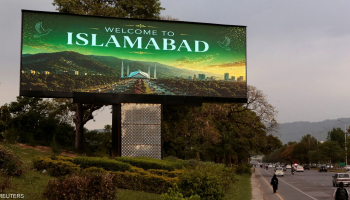


Islamabad (Lamaane.net + Reuters) – Pakistan has proposed hosting a second round of United States–Iran negotiations in Islamabad in the coming days, according to two Pakistani officials who said the initiative depends on both parties' agreement and potential alternative venue considerations.
Pakistan’s Diplomatic Proposal
The officials, speaking on condition of anonymity, said the proposal is intended to preserve diplomatic momentum following the collapse of earlier discussions, adding that Islamabad would proceed only if both Washington and Tehran consent to hold the next round in Pakistan rather than another regional location. They stressed that the idea remains under discussion and has not yet been formally accepted by either delegation.
Collapse of First Round Talks
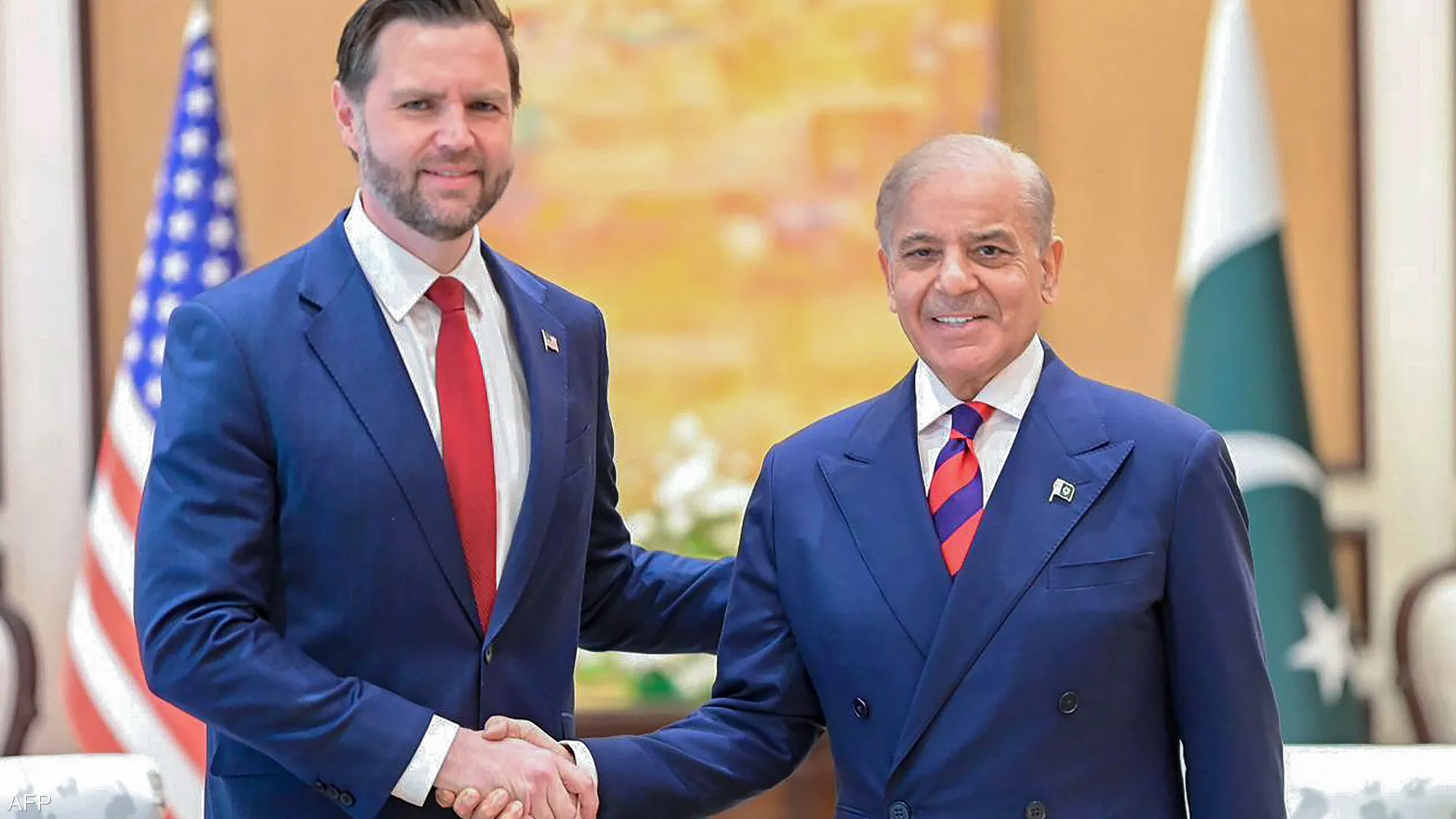
The first round of negotiations concluded without agreement, with the United States delegation departing Pakistan on Sunday morning. A statement attributed to US Vice President JD Vance said the talks ended after Iranian negotiators "refused to accept US conditions not to develop nuclear weapons.” Images from the departure showed members of the delegation boarding aircraft bound for the United States following the breakdown of discussions.
United Nations Call for De-escalation
United Nations Secretary-General António Guterres urged renewed dialogue between Washington and Tehran, stressing the importance of diplomatic engagement. "After weeks of destruction and suffering, it is clear there is no military solution to the current conflict in the Middle East,” Guterres said, calling for the ceasefire to be fully respected and for talks to resume without delay.
Strait of Hormuz Security Tensions
Tensions escalated in the Strait of Hormuz after the United States Central Command announced new restrictions on maritime passage citing security concerns. Officials said the measures would apply to vessels linked to Iranian ports while allowing normal commercial transit for other shipping. Iranian authorities condemned the move describing it as unlawful and warning it could destabilize regional maritime security and global energy supply chains.
Strategic Importance of the Waterway
The Strait of Hormuz remains one of the world’s most critical chokepoints for global energy shipments with analysts warning that prolonged disruption could significantly affect oil prices and international supply stability. Lamaane News Network analysis notes that the escalation adds pressure on already fragile negotiations and increases the stakes for regional diplomacy.
Ongoing Diplomatic Uncertainty
The coming period is expected to determine whether Islamabad can host renewed negotiations or whether diverging positions over nuclear restrictions and maritime security will further stall progress. Regional observers say the breakdown of previous talks highlights the fragility of current ceasefire arrangements and the absence of trust between Washington and Tehran.
Regional Diplomatic Reactions
Regional officials across South and Central Asia have expressed cautious interest in Pakistan’s mediation proposal describing it as part of broader efforts to maintain dialogue channels amid rising tensions. Diplomatic sources in the region said sustained engagement remains essential to prevent further escalation particularly given the sensitivity of nuclear negotiations and maritime security risks.
Observers noted that Pakistan’s involvement reflects its ongoing positioning as a facilitator in regional conflict management.
Economic and Energy Implications
Energy markets remain highly sensitive to developments around the Strait of Hormuz with analysts warning that any prolonged disruption could increase shipping insurance costs and volatility in global oil prices.
The waterway is responsible for a significant share of the world’s crude oil transit making stability in the region a priority for both producers and consumers. Diplomatic efforts are therefore closely watched by international energy stakeholders.
The trajectory of talks will depend on mutual willingness to compromise and the ability of mediators to maintain engagement with Islamabad’s proposal representing one of several possible venues under consideration for continued diplomatic dialogue.