

Washington, D.C. (Lamaane.net) – Axios reported that United States and Iranian officials made progress in negotiations on Tuesday, April 7, over the past 24 hours, though prospects for reaching an agreement before President Donald Trump's deadline remain low.
According to a report by Axios, citing four sources familiar with the discussions, negotiations made measurable progress over the past 24 hours, even as expectations of reaching a final agreement before the 8:00 p.m. Eastern Time deadline remain low. U.S. officials indicated that the probability of concluding a deal within the timeframe is "weak,” reflecting persistent gaps between the two sides.
A senior U.S. official, speaking during a monitored briefing, described a shift in internal White House discussions. "The focus is no longer on whether an agreement is possible, but whether it can be completed before the deadline,” the official said, underscoring the urgency shaping ongoing diplomatic efforts.
Sources familiar with the talks said mediators have intensified their engagement with both Washington and Tehran. "The mediators are pushing hard. The discussions are serious,” said one diplomatic source, speaking on condition of attribution. "We are waiting for the Iranian decision.”
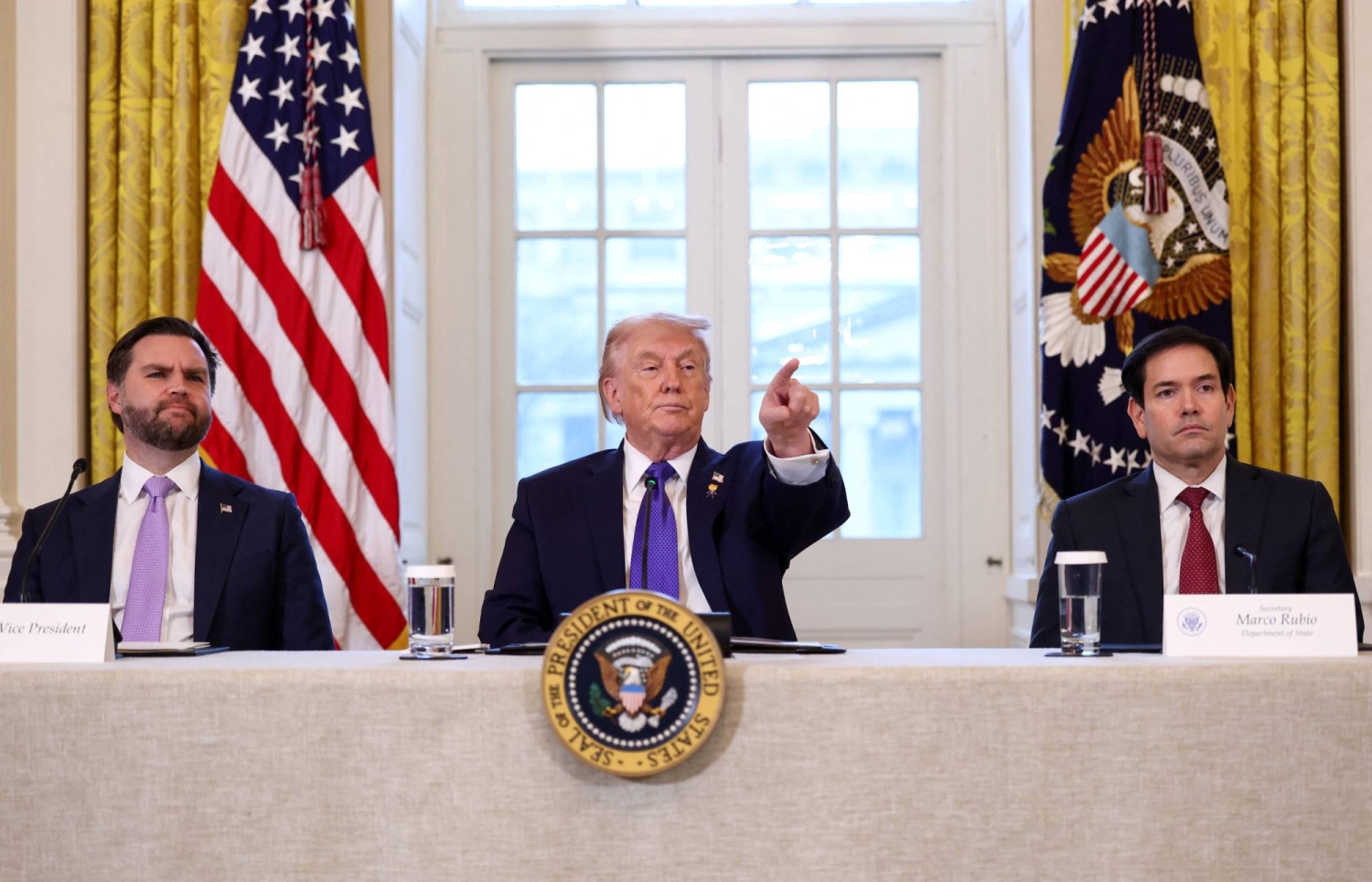
Parallel discussions have also resumed regarding a potential direct meeting between a U.S. delegation led by Vice President JD Vance and Iranian officials, although no formal confirmation has been issued. Officials noted that such a meeting could serve as a decisive step if both sides agree on key terms.
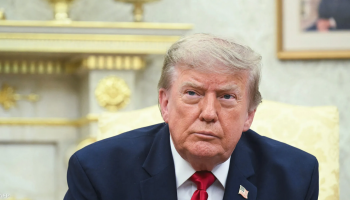
On Tuesday, President Donald Trump issued a stark warning ahead of the deadline, stating that failure to reach an agreement could lead to severe consequences. In a public message, he warned that "an entire civilization could be gone tonight,” while also leaving open the possibility of a diplomatic breakthrough.
The negotiations are centered on conditions tied to reopening the Strait of Hormuz, a vital global shipping route, alongside broader regional security guarantees. The deadline follows weeks of escalating tensions, with Washington warning of punitive measures if Iran does not comply.
Analysts say the stakes extend far beyond bilateral relations. "Any disruption in the Strait of Hormuz would immediately impact global energy markets,” said Matthew Martinez, an international security analyst. "The economic ripple effects would be global.”
The outcome of the talks is expected to shape not only U.S.-Iran relations but also wider regional stability, as both sides face mounting pressure to either secure a last-minute agreement or prepare for escalation.