

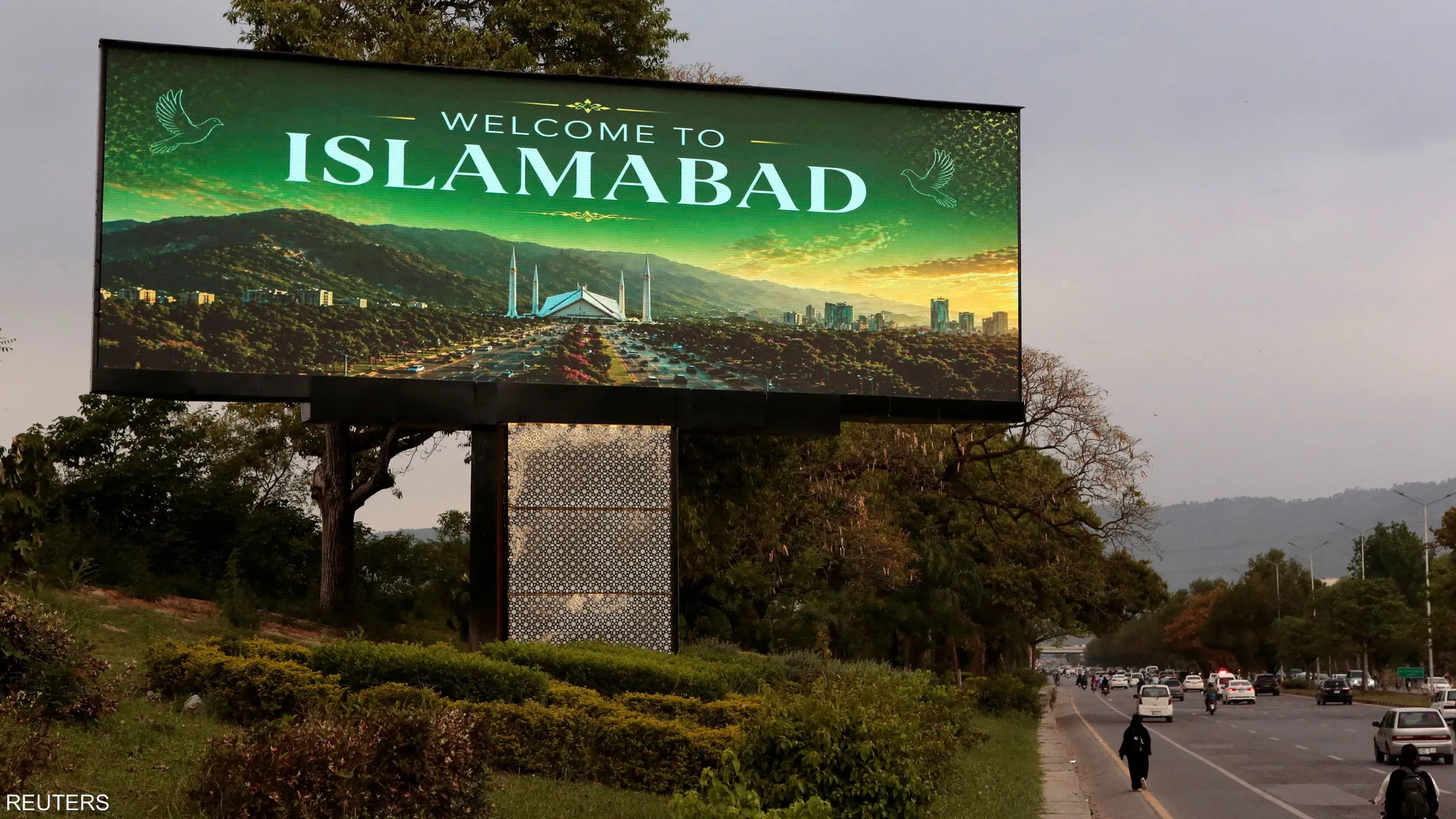
Islamabad (Lamaane.net) – Iranian Foreign Ministry spokesperson announced on Saturday, 26 April, that Foreign Minister Abbas Araghchi is expected to return to Islamabad after his Oman visit following stalled US-Iran talks efforts.
State-run Islamic Republic News Agency (IRNA) reported that Araghchi left Islamabad for Muscat on Saturday following what Iranian officials described as a productive round of consultations, while a previously planned US delegation visit to Pakistan was canceled.
The report added that the Iranian delegation accompanying him returned to Tehran before preparing for a possible return to Islamabad on Sunday evening. Observers noted heightened security activity around diplomatic terminals in Islamabad and Muscat airports, with officials moving between briefing rooms and secured transport convoys.
Pakistani Foreign Office spokesperson said, "Pakistan remains ready to support any diplomatic process that reduces regional tensions and encourages constructive dialogue between Washington and Tehran.” Lamaane News Network was told by officials familiar with arrangements that Islamabad continues to position itself as a logistical facilitator for indirect contacts.
An Iranian diplomat, speaking on condition of attribution, told reporters, "Any future engagement depends on clear signals from the United States regarding seriousness and continuity in negotiations, not symbolic travel or short-term messaging.” He added that Tehran is coordinating closely with regional intermediaries in Oman and Pakistan.
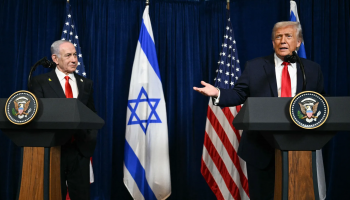
On Saturday, US President Donald Trump canceled a planned trip by envoy Steve Witkoff and adviser Jared Kushner to Islamabad, stating that lengthy travel was unnecessary for what he described as inconclusive discussions. The Wall Street Journal reported, citing diplomatic sources, that a potential new round of US-Iran talks could still take place in the coming days if mediators assess sufficient progress.
Previous indirect negotiations hosted in Islamabad earlier this month ended without agreement on Iran’s nuclear program and maritime security issues, including disputes over the Strait of Hormuz. The last round followed heightened tensions after a US-Israeli strike campaign launched on 28 February 2026, which continues to shape regional calculations.
The evolving diplomatic movements underscore competing pressures between de-escalation efforts and unresolved strategic disagreements. Pakistan and Oman have emerged as key intermediaries, reflecting broader regional interest in preventing further escalation between Washington and Tehran.
Analysts note that sequencing of visits between Muscat and Islamabad may signal an attempt to test conditions for direct engagement, though core disputes remain unchanged.