

Islamabad (Lamaane.net) – The Government of Pakistan presented a two-phase ceasefire framework to Iran and the United States on Monday, April 6, aiming to halt hostilities and reopen the Strait of Hormuz.
According to a source familiar with the negotiations, Pakistan’s proposal outlines an immediate cessation of hostilities followed by a comprehensive agreement addressing broader security and diplomatic concerns. The framework was delivered overnight to both Tehran and Washington through what the source described as the only active communication channel between the parties.
"All elements must be agreed upon today,” the source said, noting that the initial understanding would take the form of a memorandum of understanding to be finalized through Pakistan’s mediation. The plan envisions a rapid de-escalation, with a final agreement potentially concluded within 15 to 20 days if initial terms are accepted.
The source added that Pakistan’s Chief of Army Staff held separate telephone discussions with U.S. Vice President JD Vance, U.S. presidential envoy Steve Witkoff, and Iranian Foreign Minister Abbas Araghchi to advance the proposal. These engagements reflect Islamabad’s growing diplomatic role in facilitating indirect dialogue between the two adversaries.
An Iranian official, speaking to Reuters on condition of attribution, confirmed that Tehran had received the proposal and was reviewing its terms. "We will not reopen the Strait of Hormuz in exchange for a temporary ceasefire,” the official said, signaling skepticism about Washington’s commitment to a lasting agreement.
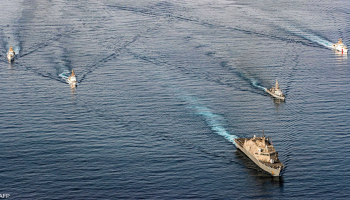
On-the-ground maritime activity in the Gulf region remains subdued, with shipping traffic reportedly reduced and insurance premiums rising amid uncertainty. Regional traders described quieter-than-usual port operations, with some vessels delaying transit pending clarity on security conditions.
The proposed final agreement includes provisions for Iran to abandon nuclear weapons development in exchange for sanctions relief and the release of frozen assets. These elements align with longstanding points of contention in U.S.-Iran relations, particularly following the collapse of previous nuclear agreements and the reimposition of sanctions.
A regional security analyst, Kamran Marwan, told Lamaane News Network that Pakistan’s involvement introduces a "potentially stabilizing intermediary with established ties to both sides.” He added that the success of the initiative would depend on mutual trust and verifiable commitments.
The Strait of Hormuz, a critical chokepoint for global oil flows, has been at the center of escalating tensions. Any disruption to its operations carries significant implications for global energy markets and regional stability.
Diplomatic observers note that the coming hours may prove decisive in determining whether the proposed ceasefire can transition into a broader agreement, with implications extending beyond immediate conflict dynamics to long-term geopolitical alignment.