

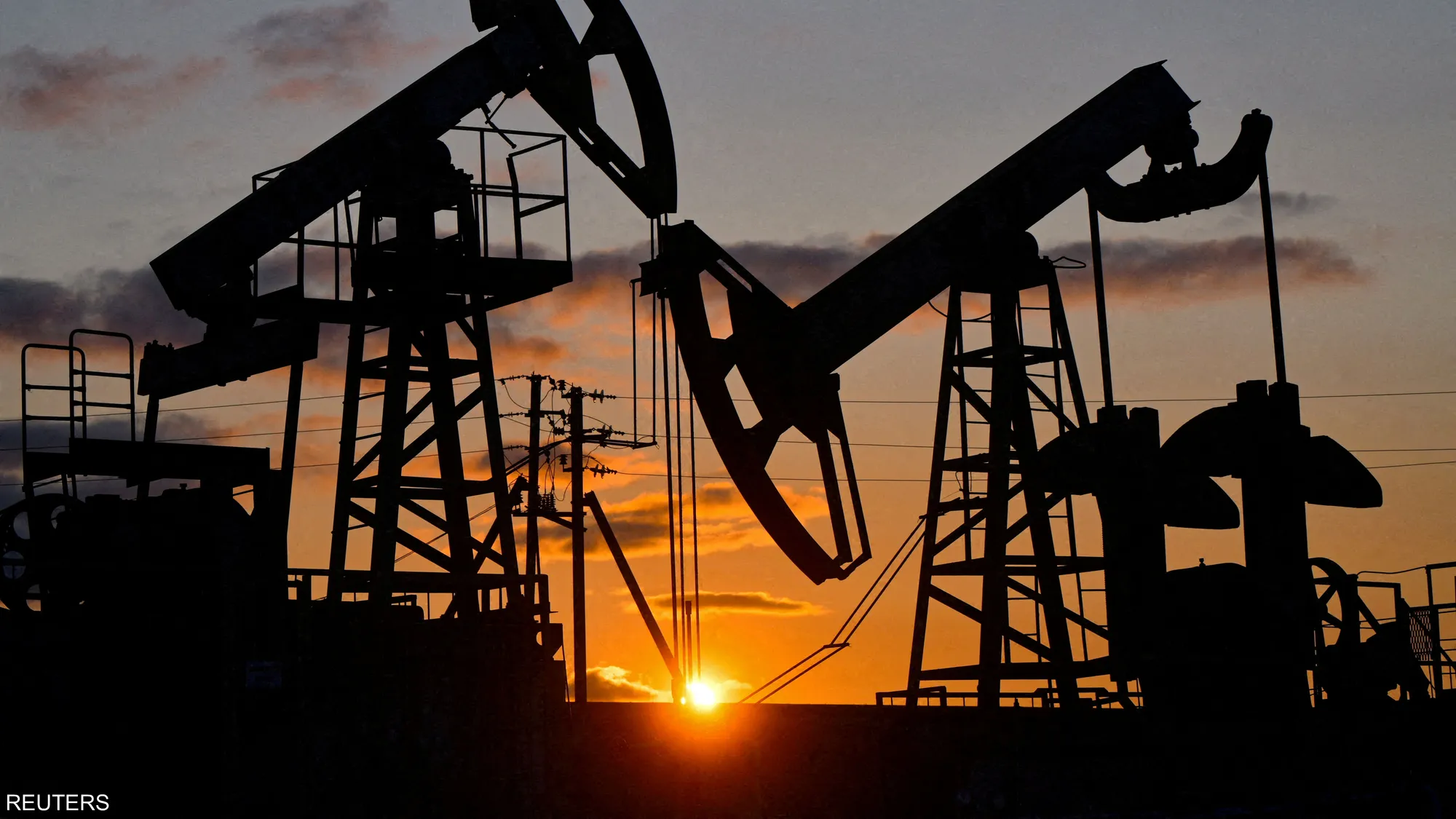
Singapore (Lamaane.net) - Lamaane News Network reported on Monday, April 27, that oil prices rose in early Asian trading after Iran–United States peace talks stalled and Strait of Hormuz flows remained constrained, tightening global supply expectations amid geopolitical uncertainty.
Brent crude rose $2.22 (2.11%) to $107.55 per barrel, while West Texas Intermediate gained $2.02 (2.14%) to $96.42, as markets reacted to reduced diplomatic momentum. Iranian Foreign Minister Abbas Araghchi met Russian President Vladimir Putin in Moscow to discuss negotiations with Washington and ceasefire developments during a regional diplomatic tour.
Energy analysts said stalled diplomacy and constrained shipping supported a risk premium. "The market is pricing in supply insecurity and no quick deal,” said Darya Kian of Gulf Energy Research. Traders in Singapore reported thin liquidity and volatility as positions adjusted, with market participants describing rapid intraday swings driven by geopolitical headlines and limited fresh supply signals from producers.
Araghchi met Vladimir Putin in Moscow as part of a regional tour including Pakistan and Oman. Ambassador Kazem Jalali said he would brief Russian officials on negotiations and ceasefire developments. "He will provide a report on these negotiations,” Jalali said via ISNA. The Russian Foreign Ministry confirmed talks would address regional and bilateral issues without further detail, underscoring Moscow’s continued diplomatic engagement in the evolving Iran–US file.
President Donald Trump said Iran could initiate contact to resume talks and reiterated that any deal must prevent nuclear weapons development. Speaking to Fox News, he said, "If they want to talk to us, they can come to us. We have a phone and secure lines,” adding the issue was straightforward from Washington’s perspective. He also argued Iran’s proposals remained insufficient to meet US conditions for a potential agreement.
Reports of a cancelled U.S. envoy visit to Islamabad and alleged withdrawal of security equipment signaled weakening prospects for near-term negotiations, according to regional officials cited in diplomatic briefings. Market participants interpreted the developments as further evidence of stalled backchannel diplomacy and reduced likelihood of immediate de-escalation between Tehran and Washington.
Iran continues to seek lifting of restrictions and guarantees against strikes, while Washington says proposals remain inadequate. The Strait of Hormuz remains a critical chokepoint for global oil flows, closely monitored by energy traders due to its strategic importance and intermittent operational constraints affecting shipping confidence.
Analysts say combined diplomatic deadlock and shipping risks are reinforcing volatility in oil markets, particularly in Asia, where benchmarks respond quickly to Middle East developments, raising uncertainty for refiners and import-dependent economies. Energy strategists warn that sustained uncertainty could keep risk premiums elevated if negotiations fail to regain momentum in the coming weeks.