

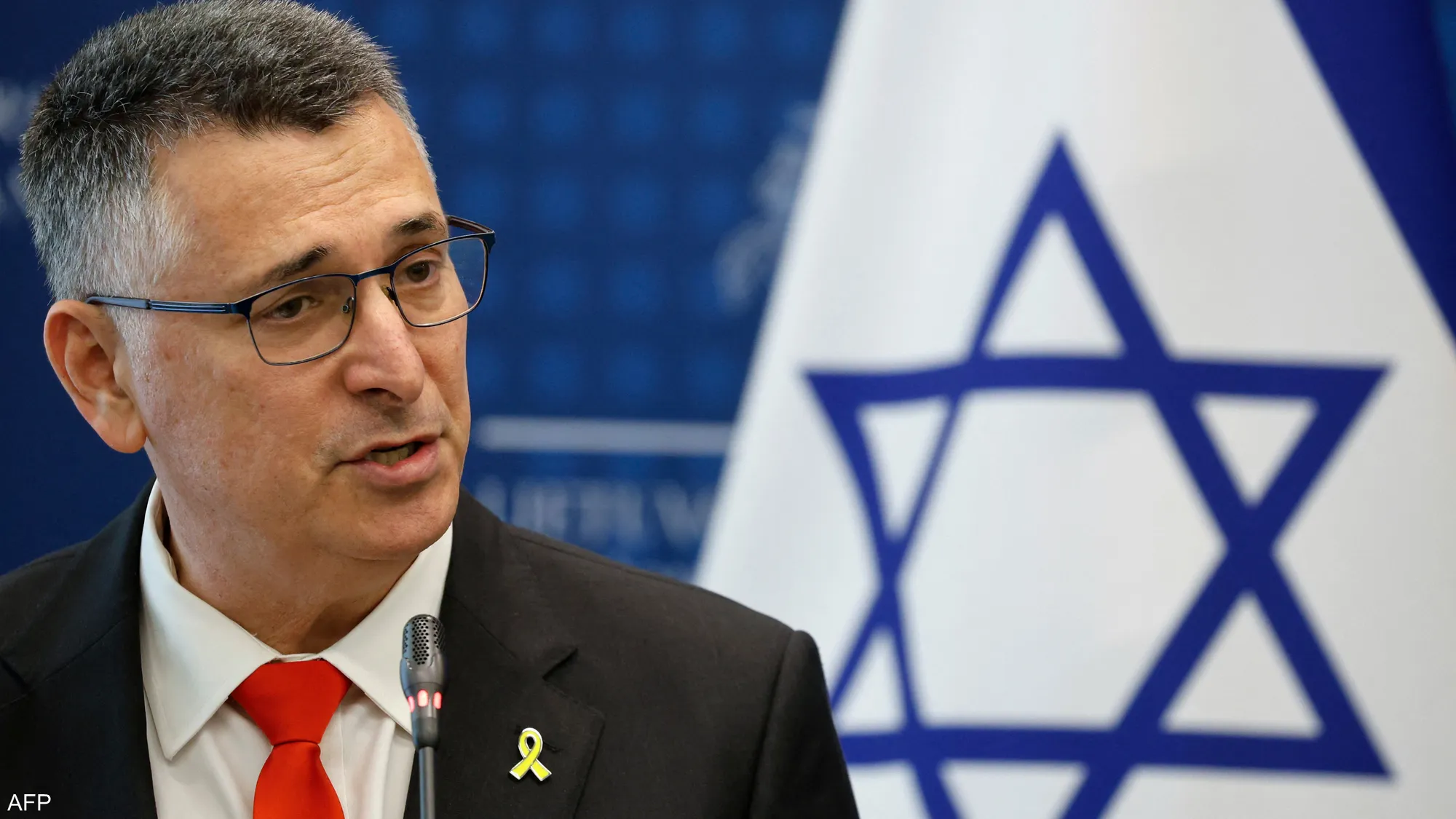
Tel Aviv (Lamaane.net) – Israel's Foreign Minister Gideon Sa'ar on Wednesday, April 22, described Hezbollah as a "common enemy" of Israel and Lebanon ahead of US-mediated talks in Washington scheduled meetings.
Sa’ar said Hezbollah stands as a central obstacle to any potential peace or normalization process between the two countries, urging the Lebanese government to intensify cooperation in confronting what he described as expanding Iranian influence within Lebanon’s political and security landscape.
He stated: "Hezbollah represents a shared enemy for both Israel and Lebanon,” adding that the group "undermines Lebanon’s sovereignty and endangers its future as it threatens Israel’s security.”
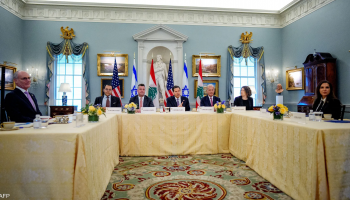
Israeli officials confirmed that direct negotiations between Israel and Lebanon are set to resume on Thursday in Washington, in what Sa’ar characterized as the first structured direct diplomatic engagement at this level in more than four decades.
The talks are expected to focus on disputed border points and security arrangements along the southern Lebanon frontier, where tensions have remained high despite intermittent ceasefire understandings.
Israeli Defense Minister Israel Katz reinforced a hardline stance, warning that Israel would "use full force” if it came under threat, while noting that existing ceasefire provisions allow Israel to respond to what it defines as imminent or ongoing attacks.
The remarks reflect continued Israeli security concerns despite diplomatic momentum toward renewed engagement.
A spokesperson referenced by Lamaane News Network said the renewed dialogue reflects "a cautious but significant attempt to open structured communication channels” between Israel and Lebanon, despite deep political divisions and the enduring role of Hezbollah in regional security dynamics.
The Israel-Lebanon relationship has remained formally hostile for decades, shaped by periodic conflict, unresolved border disputes, and the influence of armed groups operating outside state control.
Hezbollah’s involvement in regional conflicts and its ties to Iran continue to be central points of contention, shaping both military calculations and diplomatic engagement.
The upcoming Washington talks are being viewed by analysts as a limited but notable diplomatic opening, potentially aimed at managing border stability rather than achieving comprehensive normalization.
Observers note that any progress is likely to depend on containment of escalation risks and the willingness of both governments to separate technical negotiations from broader geopolitical disputes involving Iran and regional security alignments.