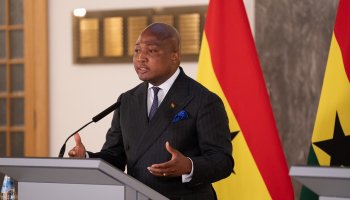


Accra (Lamaane.net) - Ghana Statistical Service Government Statistician Alhassan Iddrisu announced on Wednesday, July 1, in Accra, Ghana, that consumer inflation rose to 5.3% year-on-year in June, up from 3.7% in May, as non-food costs increased across key sectors including transport, housing, and education services.
The Ghana Statistical Service said the latest inflation reading marks the third consecutive monthly increase, indicating a gradual reversal in the country’s recent disinflation trend.
Officials attributed the uptick primarily to rising service-related costs rather than food price shocks, with locally produced goods accounting for more than 86% of the overall inflation movement.
Government Statistician Alhassan Iddrisu, addressing journalists at the briefing, said: "The recent increase deserves close attention to safeguard the gains achieved.”
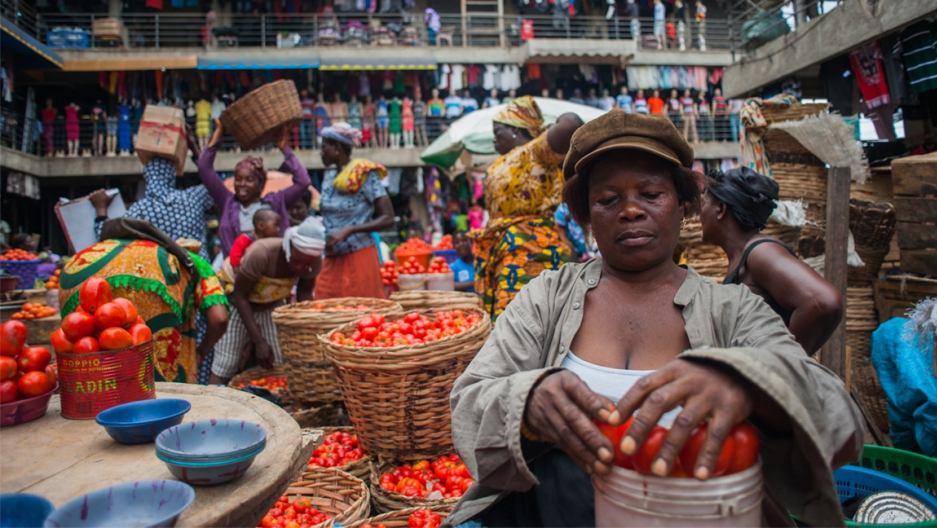
The announcement comes as traders and consumers in Accra report visible price adjustments in public transport fares, school-related expenses, and rental housing costs. At the Kaneshie market transport hub, drivers were observed adjusting fare boards in response to higher fuel and maintenance costs, while passengers queued under hot midday conditions, reflecting growing sensitivity to household budget pressures.
A small business owner in the capital’s Madina district, Amina Mohammed, said rising operational costs were forcing adjustments in retail pricing. "We are not increasing prices because we want to, but because everything we buy has become more expensive, especially transport and packaging,” she said.
Economist Dr. Kwame Boateng, speaking in a separate interview, noted that the inflation uptick reflects structural pressures rather than short-term volatility. "What we are seeing is a service-led inflation adjustment that could persist if cost drivers in transport and housing are not contained,” he said.
Ghana’s broader economic context remains shaped by its ongoing recovery from a severe fiscal and currency crisis that affected inflation, debt sustainability, and import financing. The country, a major producer of gold, oil, and cocoa, has spent the past year implementing stabilization measures supported by monetary tightening and fiscal consolidation.
The Statistical Service also highlighted that locally produced items contributed the majority share of inflationary pressures, underscoring the domestic nature of current price movements rather than external shocks. The central bank is scheduled to review its monetary policy stance later this month after pausing its easing cycle in May amid concerns over renewed inflation risks.
Market observers in Accra say attention is now focused on whether the recent trend signals a sustained rebound in price pressures or a temporary adjustment phase as Ghana navigates its post-crisis economic stabilization path.