

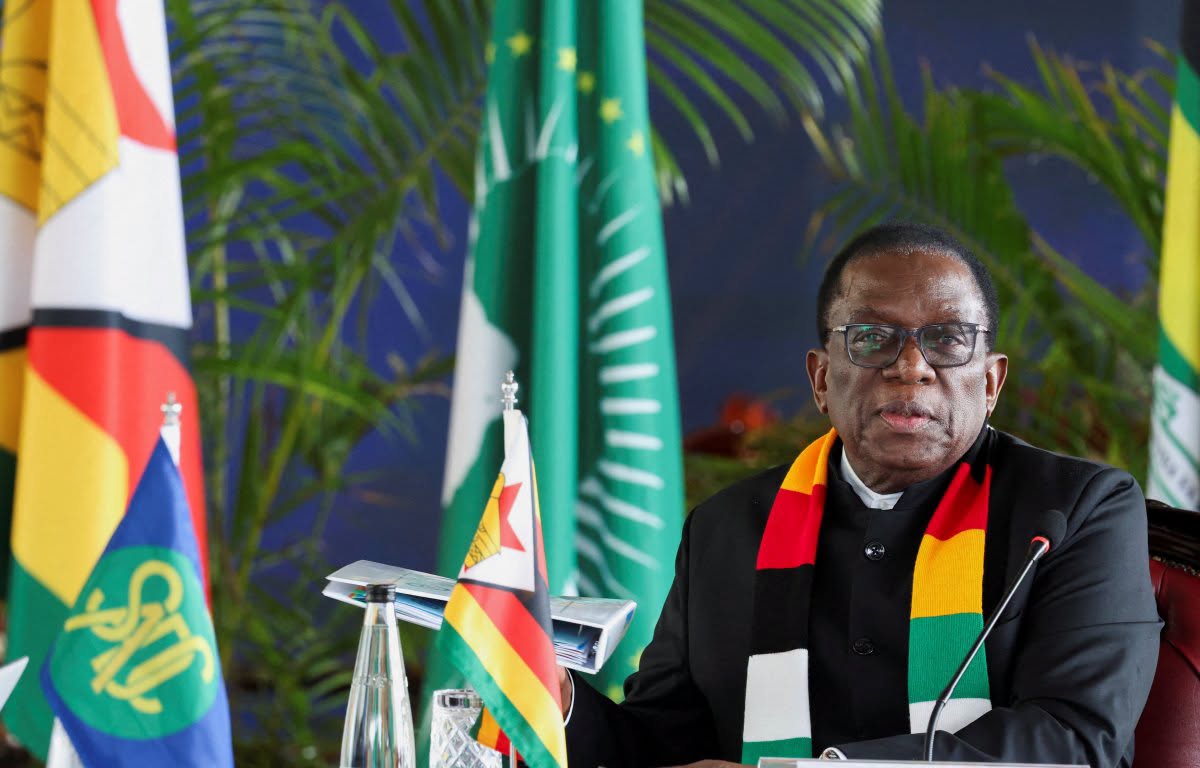
Harare (Lamaane.net) – Zimbabwe's National Assembly approved constitutional amendment legislation on Thursday, June 18, with 216 lawmakers voting in favor of extending presidential terms from five to seven years and postponing the next presidential election to 2030, advancing a proposal that could allow President Emmerson Mnangagwa to remain in office beyond the end of his current mandate in 2028.
The draft legislation secured the two-thirds majority required for constitutional amendments after 216 of the chamber's 280 members supported the bill, surpassing the 187-vote threshold. The proposal now moves to the Senate, where the governing Zimbabwe African National Union–Patriotic Front (ZANU-PF) is widely expected to secure sufficient backing for its passage.
Government supporters said the constitutional changes are intended to improve political continuity, strengthen institutional accountability, and provide additional time for implementing long-term national development priorities. Parliamentary supporters argued during debate that synchronizing electoral timelines would reduce administrative costs and minimize political disruptions associated with frequent national elections.
Opposition lawmakers and civil society organizations, however, criticized the measure, arguing that it would weaken constitutional safeguards designed to limit executive power. Several legislators warned during parliamentary proceedings that delaying scheduled elections could reduce public confidence in democratic institutions and alter the balance established under Zimbabwe's current constitutional framework.
Outside Parliament in Harare, security remained visible but calm as small groups of activists, journalists, and members of the public gathered to monitor developments. Parliamentary proceedings concluded without major disruptions, although observers noted heightened political interest surrounding the vote and its potential constitutional consequences.
A constitutional law lecturer at the University of Zimbabwe said the proposed amendments represent one of the country's most significant governance reforms since the 2013 Constitution came into force. The academic noted that, if enacted, the legislation would alter both presidential term lengths and the timing of national elections, changes that could influence Zimbabwe's political landscape for years.
Lamaane News Network spoke with a Harare resident following the parliamentary vote, who said many citizens are closely following the debate because of its implications for future elections and public trust in democratic institutions. The resident added that opinions remain divided across communities regarding whether the reforms will promote stability or concentrate political authority.
Mnangagwa, 83, assumed office following the military-assisted removal of former President Robert Mugabe in 2017 after decades as one of Mugabe's senior political allies. Supporters within ZANU-PF have publicly advocated extending his leadership for several years, a proposal formally endorsed by the party and later backed by Cabinet earlier this year.
The proposed reforms also include replacing direct presidential elections with selection by lawmakers, a provision that has generated additional political debate.
Similar constitutional changes extending presidential tenure have occurred in several African states over the past decade, prompting continued regional discussion over democratic governance, institutional accountability, and constitutional reform. Senate consideration will determine whether Zimbabwe advances the amendments toward becoming law.