

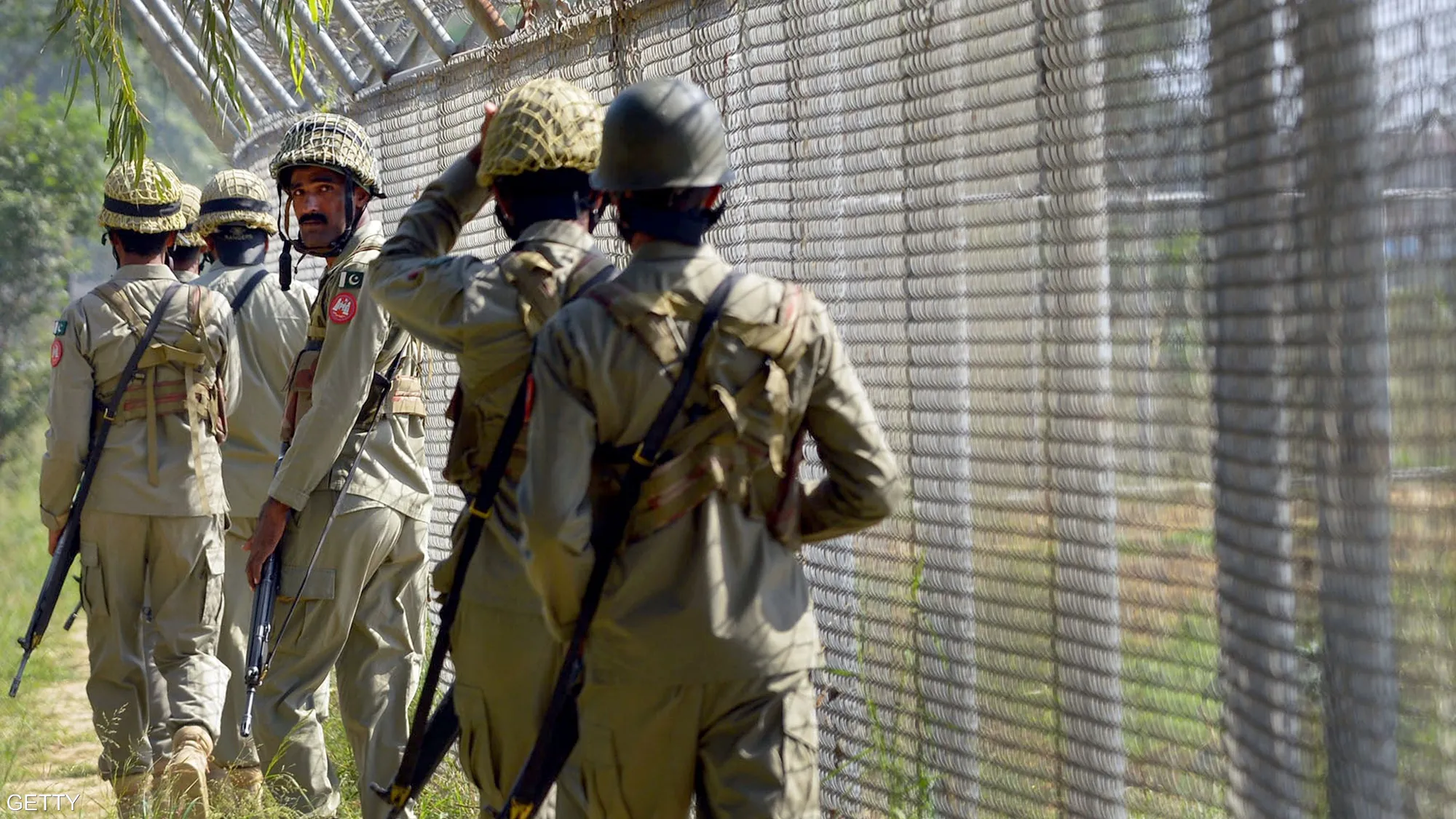
Islamabad (Lamaane.net) - Pakistan's military said Friday, August 21, that security forces killed 49 militants in intelligence-based operations across Khyber Pakhtunkhwa and Balochistan during recent counterterrorism raids.
The Inter-Services Public Relations (ISPR), the military’s media wing, said security forces and police conducted multiple operations over several days against suspected militant networks in the two provinces, which have experienced persistent insurgent violence.
In Khyber Pakhtunkhwa, 12 militants were killed during operations in Bannu, North Waziristan, Orakzai and Khyber districts, according to the military. Security personnel recovered explosives, improvised explosive device detonators, weapons, ammunition and motorcycles during the raids.
In Balochistan, security forces killed 37 militants in 10 intelligence-based operations in Mastung, Mach, Khuzdar and Panjgur districts, ISPR said. Weapons, explosive-filled containers and remote-detonation equipment were seized or destroyed during those operations.
The military said clearance operations were continuing in the affected areas to locate any remaining militants. It said Pakistani security forces and law-enforcement agencies remained "resolute and unwavering” in their campaign against militant groups and that counterterrorism operations would continue under the government’s Azm-e-Istehkam security framework.
Pakistani authorities use the term "Fitna al-Khawarij” when referring to the outlawed Tehreek-e-Taliban Pakistan, or TTP, and "Fitna al-Hindustan” for Baloch separatist militants. The terminology reflects the government’s characterization of the organizations and is not used independently by Lamaane News Network.
Pakistan has repeatedly accused the TTP of operating from sanctuaries across the border in Afghanistan and has alleged that Baloch separatist groups receive support from India. Afghanistan’s Taliban authorities have rejected accusations that they permit Afghan territory to be used for attacks against Pakistan, and India has denied Pakistani allegations that it sponsors militant activity.
The TTP is organizationally separate from Afghanistan’s Taliban but maintains ideological and historical ties with the movement. Balochistan, Pakistan’s largest province by territory, has meanwhile faced a decades-long separatist insurgency involving armed groups seeking greater autonomy or independence.
The latest operations underscore the security pressures facing Islamabad along its western regions. Khyber Pakhtunkhwa’s proximity to Afghanistan complicates efforts to contain cross-border militant activity, while Balochistan’s extensive territory and dispersed population present different operational challenges for security forces.
The military’s announcement could not be independently verified from the areas where the operations occurred, and no independent casualty figures or eyewitness accounts were immediately available. The absence of independently accessible reporting from the operation sites limits verification of the circumstances surrounding the deaths.
Pakistan’s continuing operations indicate that Khyber Pakhtunkhwa and Balochistan remain central to the government’s counterterrorism strategy as authorities seek to contain armed groups operating across two strategically important border provinces.