

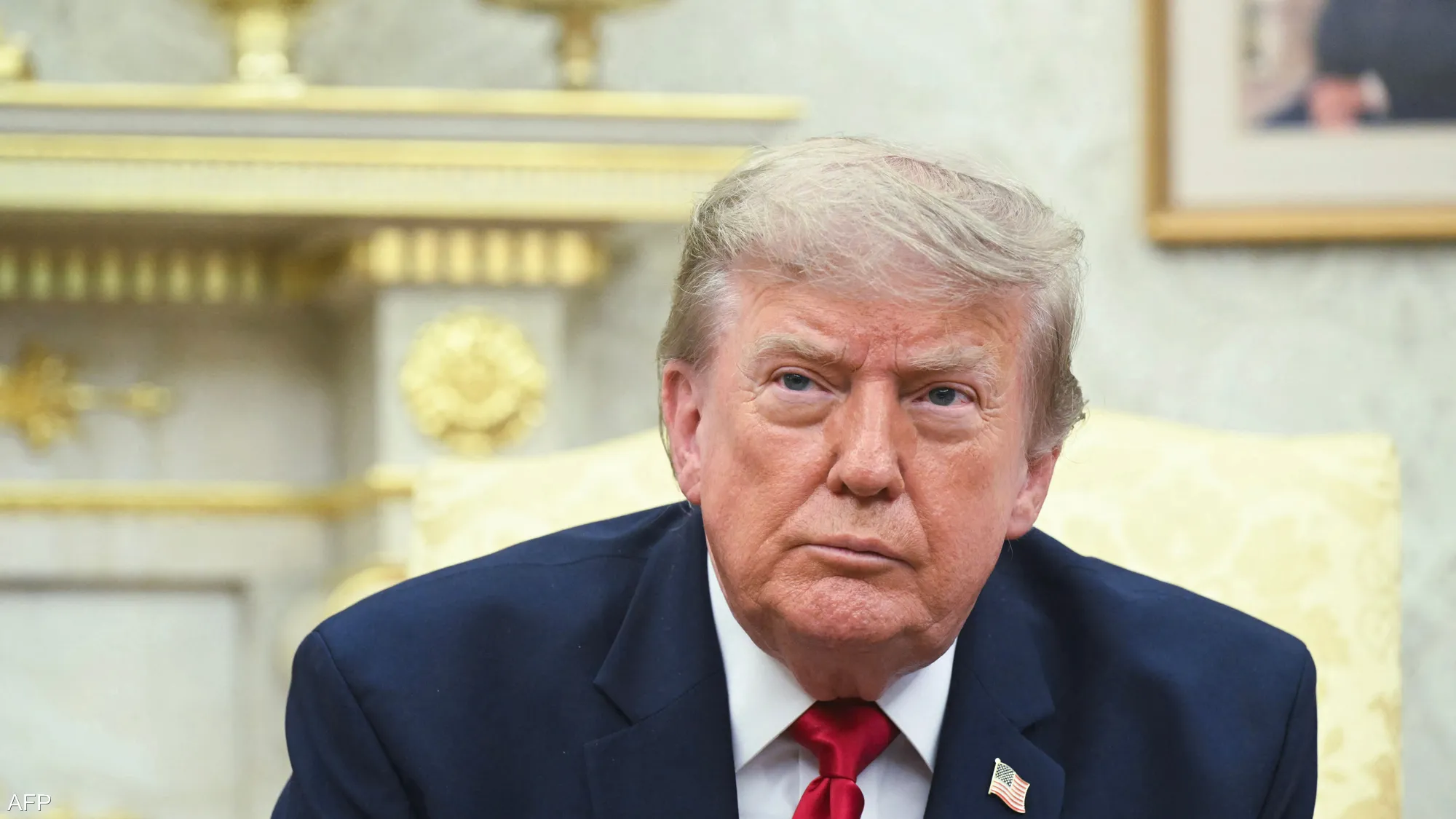
Washington, D.C. (Lamaane.net) - United States President Donald Trump said Tuesday, July 14, that the United States will expand military strikes against Iran to include power stations and bridges next week unless Tehran returns to negotiations, as U.S. forces continued operations across the region.
Speaking in an interview with Fox News, Trump warned that additional infrastructure would be targeted if Iran does not reach an agreement with Washington. "Next week will be very bad for them because next week power stations will be targeted. Next week bridges will be targeted," he said. Trump added that the United States had held discussions with Iranian officials on Tuesday and urged Tehran to reach an agreement, asserting that Iran still retains "some ability to fight, but it is not significant." He also stated that U.S. military operations "will continue until I decide that it is enough."
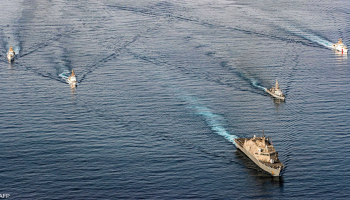
The remarks came as U.S. military operations entered a fourth consecutive day. The U.S. military announced Tuesday that it had reinstated a comprehensive naval blockade covering vessels traveling to and from Iranian ports and coastal areas. According to an official military statement, the blockade resumed at 4:00 p.m. Eastern Time, supported by more than 20 U.S. Navy warships and hundreds of military aircraft operating across the Middle East.
Earlier Tuesday, U.S. Central Command (CENTCOM) confirmed that American forces were conducting additional strikes against targets inside Iran. A U.S. official, speaking to Reuters, said the operations were intended to eliminate what were described as "emerging threats" posed by Iranian military assets.
Iranian state media reported that U.S. missiles struck a target on Qeshm Island, located near the strategically important Strait of Hormuz. Iranian authorities did not immediately disclose the nature of the site or provide details on casualties or damage resulting from the attack.
Maritime activity across the Gulf remained subdued Tuesday evening, according to observations shared with Lamaane News Network by a regional shipping industry representative, who said several commercial operators were reassessing transit schedules because of heightened security concerns. Traffic around key shipping lanes appeared lighter than usual as naval patrols intensified.
Military analysts noted that the Strait of Hormuz remains one of the world's most critical energy corridors, carrying a substantial share of globally traded crude oil and liquefied natural gas. Any sustained disruption to maritime traffic could have broader implications for international energy markets and regional security.
The latest escalation follows a series of confrontations that began last week after Iranian attacks on commercial vessels in the Strait of Hormuz. Diplomatic efforts have continued alongside military operations, although no breakthrough has been announced. Regional governments and international observers continue to monitor developments closely as tensions between Washington and Tehran remain elevated.