

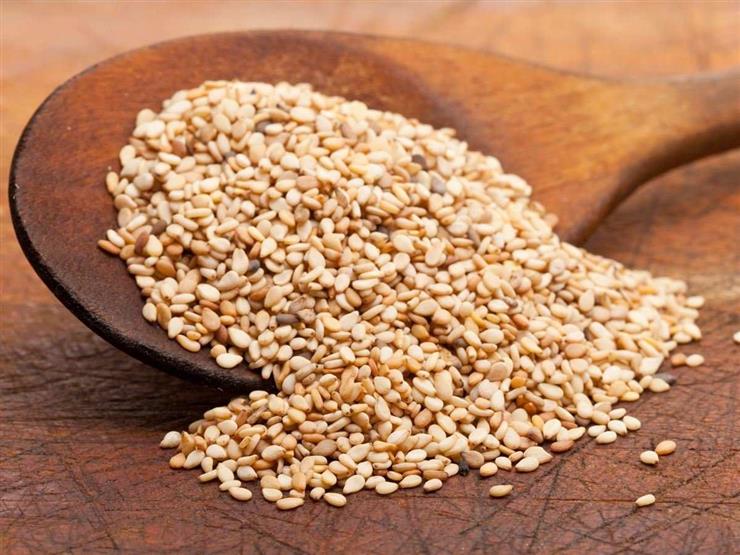
Mogadishu (Lamaane.net) – The European Union-funded Value Chain Analysis for Development (VCA4D) programme has concluded that Somalia's sesame sector offers significant economic potential but requires major improvements in infrastructure, governance, social inclusion, and climate resilience to achieve long-term sustainable growth, according to a report released in April 2026.
The study, conducted by an international and Somali team of experts under the VCA4D initiative implemented by Agrinatura in collaboration with the Federal Ministry of Agriculture and Irrigation, examined the country's sesame industry across its economic, social and environmental dimensions.
Researchers carried out field missions in Mogadishu, Jowhar and Baidoa between late 2025 and early 2026, interviewing farmers, traders, exporters, processors, cooperatives, government officials and financial institutions while also conducting focus group discussions and field observations.
According to the report, Somalia produces an estimated 34,000 metric tonnes of sesame annually from approximately 75,700 hectares, with about 80 percent of production concentrated in Lower and Middle Shabelle. The analysis estimates that the value chain contributes around US$39.7 million in direct and indirect value added, representing roughly 0.3 percent of Somalia's GDP, while maintaining a positive contribution to export earnings.
Researchers found that sesame production remains profitable across the value chain but noted substantial disparities in income distribution. The report states that fewer than two percent of value chain actors capture about half of total profits, whereas most smallholder farmers receive comparatively modest returns despite remaining central to production.
Employment is concentrated primarily in oil milling activities, and producers continue to face risks from climate variability, weak infrastructure, limited access to agricultural inputs and institutional constraints.
Field observations documented interviews with government representatives, farmer groups, women's organisations, exporters, processors and youth participants. Focus group discussions examined issues including water availability, soil fertility, climate variability, working conditions, gender participation and household resilience. Site visits also included sesame processing facilities and milling operations to verify information collected during interviews. Lamaane News Network reviewed the study, which notes that these findings were cross-checked through multiple research methods during the field missions.
The report also identifies persistent social and environmental challenges affecting the sector. Women remain heavily engaged in labour-intensive activities but have limited access to land ownership, finance and decision-making, according to the analysis.
Researchers further highlight deteriorating irrigation systems, inefficient water management, limited crop diversity, inadequate soil fertility management and unsafe pesticide handling as significant constraints affecting productivity and resilience.
The study concludes that strengthening irrigation infrastructure, improving seed systems, expanding farmer training, promoting safer agricultural practices and enhancing coordination among public institutions and private-sector stakeholders would improve the competitiveness and sustainability of Somalia's sesame industry.
Researchers also state that addressing broader governance, infrastructure and institutional challenges will be essential for the sector to contribute more effectively to inclusive economic development and export growth.