

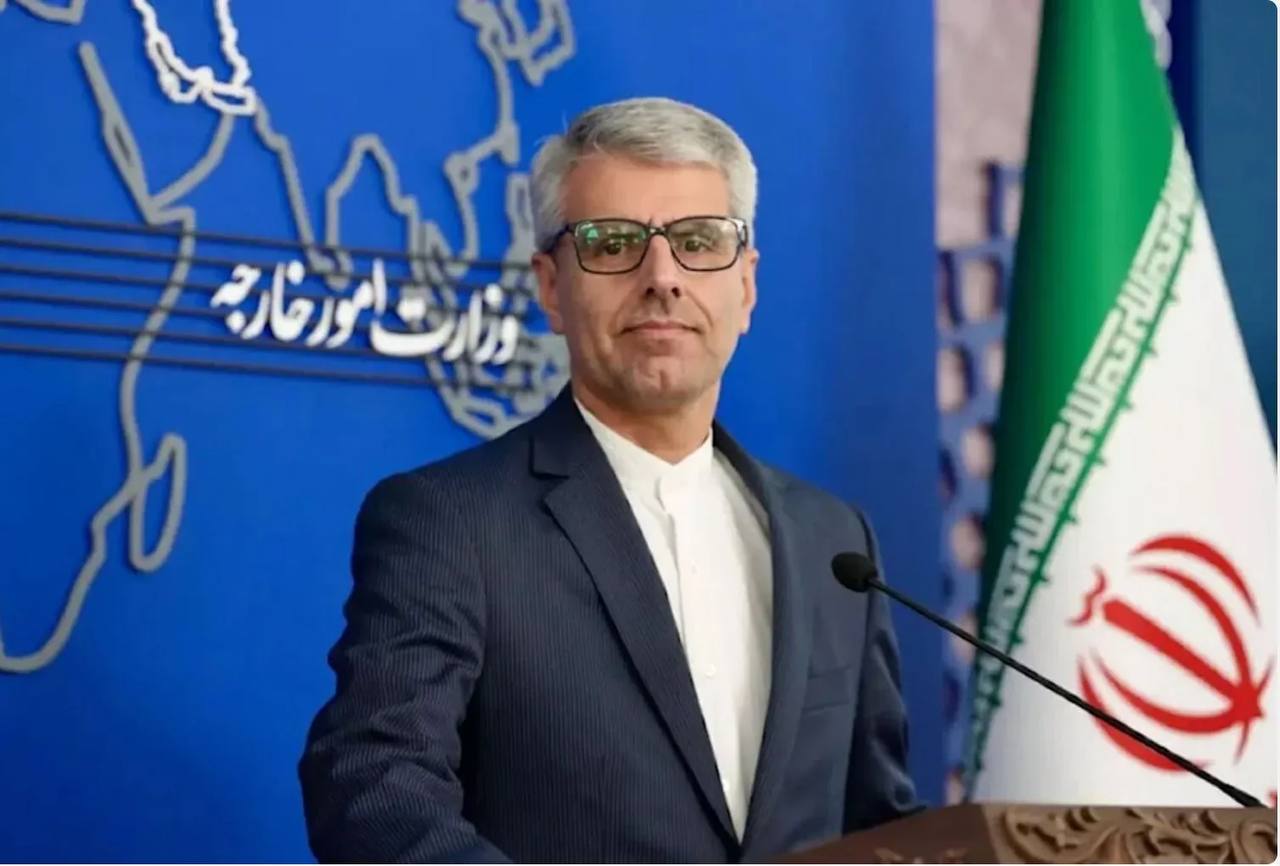
Tehran (Lamaane.net) – The Iranian Foreign Ministry submitted Iran's response to a United States proposal aimed at ending the Middle East war on Monday, May 11, in Tehran, officials said.
The Iranian Foreign Ministry said the response calls for an immediate cessation of regional hostilities, including in Lebanon, and demands the lifting of a United States maritime blockade on Iranian ports, alongside the release of frozen assets held under longstanding sanctions. Spokesman Esmail Baghaei stated that the conditions reflect "the legitimate rights of the Islamic Republic" and do not require unilateral concessions from Washington.
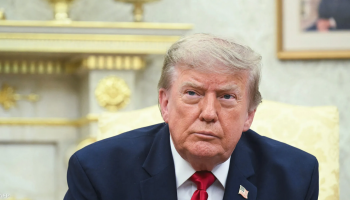
United States President Donald Trump rejected the Iranian response, describing it as "unacceptable," according to comments reported by US media, effectively stalling the latest diplomatic initiative.
The Wall Street Journal, citing unnamed sources, reported that Tehran proposed entering nuclear talks within 30 days and suggested diluting portions of its enriched uranium while transferring remaining stockpiles to a third country. However, Iranian officials rejected any plan involving dismantlement of nuclear facilities.
Iran’s Foreign Ministry-linked Tasnim News Agency disputed parts of the reporting, saying it "does not reflect reality," particularly regarding claims about highly enriched uranium. The exchange follows months of heightened tension after Israel and the United States conducted strikes on Iranian nuclear facilities during a 12-day conflict in June, which Washington said significantly damaged Iran’s nuclear infrastructure.
Despite those strikes, US and Israeli officials maintain that Iran still possesses enriched uranium that could be adapted for weapons use, a claim Tehran denies. The Wall Street Journal reported that the Iranian response did not meet Washington’s core demands regarding future enrichment limits and removal of high-grade nuclear material from Iranian territory.
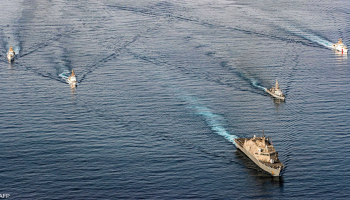
The Iranian proposal also outlined a phased approach to reopening the Strait of Hormuz to commercial shipping after wartime restrictions, while urging gradual easing of US pressure on Iranian ports. The waterway remains a critical global energy route, carrying roughly one-fifth of the world’s oil shipments under normal conditions, and any disruption has historically influenced global energy prices and trade stability.
Diplomatic observers note that the dispute over nuclear limits and maritime access continues to reflect deep mistrust between the two sides, particularly over sanctions enforcement and regional security arrangements.
Prospects for renewed negotiations remain uncertain, as neither Tehran nor Washington has signaled flexibility on the central conditions shaping the current diplomatic standoff.