

Khartoum (Lamaane.net) - Sudanese Ministry of Higher Education and Scientific Research ordered all universities across Sudan to close temporary learning centers and return to original campuses nationwide from Khartoum, a move affecting displaced students and staff after years of conflict disruption.
Authorities said the directive is part of a wider plan to restore state institutions after prolonged conflict, with officials estimating losses in the higher education sector at nearly $3 billion due to widespread damage, looting, and suspension of academic operations across the country. Officials said the measure also targets re-establishing centralized academic administration after years of fragmented operations inside and outside Sudan.
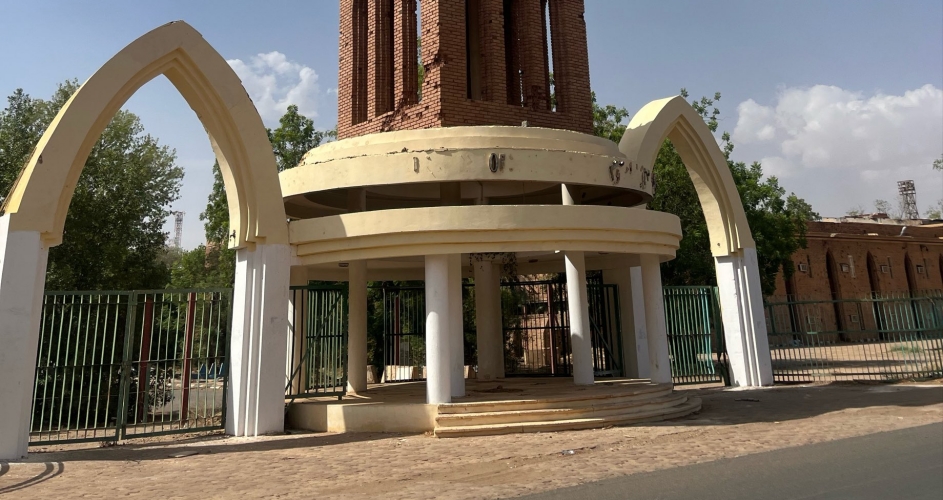
A professor at the University of Khartoum, speaking to Lamaane News Network, described the decision as detached from ground realities, saying many campuses remain heavily damaged and basic services are unstable, making immediate return unsafe for teaching and learning. Students and staff remain dispersed across multiple countries and displacement centers, complicating coordination of examinations and academic calendars.
A senior official at the University of Al-Nilein said logistical and financial constraints make implementation difficult, noting that universities lack operational budgets to repair laboratories, libraries, and lecture halls damaged during the conflict. The official added that emergency reconstruction financing has not yet been secured, increasing uncertainty over the timeline.
Field reports from Khartoum indicate that student housing has suffered extensive destruction, with officials at the national student welfare fund estimating that more than 90 percent of dormitories were looted or structurally damaged, while some facilities have been repurposed as shelters for displaced families. Local observers noted that transportation access to several university districts remains limited due to damaged roads and intermittent insecurity.
A policy divide has emerged within government institutions, with some officials supporting rapid relocation to signal a return to stability, while others warn that strained electricity, water, and supply networks could face severe pressure from sudden population shifts, according to internal assessments. Energy sector officials have separately cautioned that electricity demand spikes in returning urban areas could overwhelm existing infrastructure capacity.
Stakeholders, including university administrators and union representatives, are pressing for a revised timeline that balances reconstruction needs with academic continuity, as negotiations continue between education authorities and government bodies over phased reopening plans and funding allocations. Observers say the outcome will determine the pace of educational recovery in post-conflict Sudan.