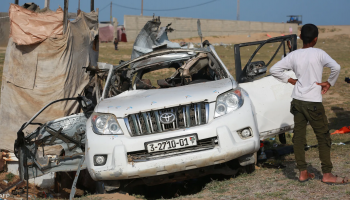


Beirut (Lamaane.net) - The Israeli military escalated airstrikes across eastern and southern Lebanon on Sunday, April 6, killing dozens and injuring over a hundred, according to Lebanese health authorities.
Lebanon’s Ministry of Public Health reported that at least 39 people were killed and 136 injured in a single day of Israeli strikes, including an attack on the Ain Saadeh hills east of Beirut that killed three civilians, among them two women. The ministry added that since March 2, a total of 1,461 people have been killed and 4,430 wounded amid ongoing hostilities linked to Hezbollah’s involvement in the conflict.
Residents in the Bekaa Valley towns of Suhmar and Mashghara described overnight bombardments that shook buildings and sent families into shelters. "The explosions were continuous, and we could see smoke rising from multiple areas,” said Ahmad Darwish, a local shopkeeper, speaking to Lamaane News Network by phone. In southern Lebanon, strikes also hit the city of Nabatieh, with emergency responders seen clearing debris under floodlights late into the night.
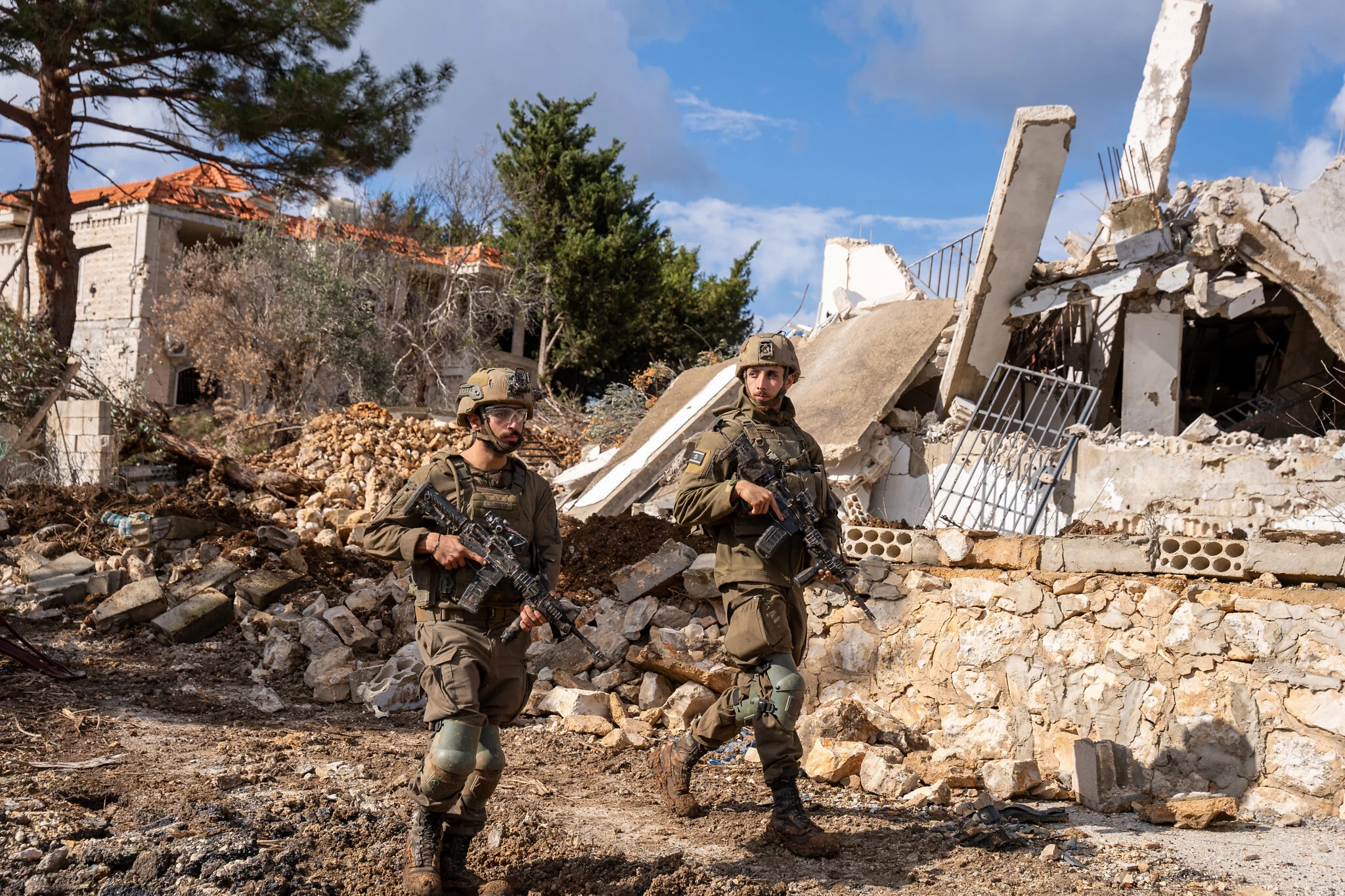
The Israeli military confirmed it carried out operations targeting Hezbollah positions, including strikes on the southern outskirts of Beirut. In a statement released Sunday, Israeli Chief of Staff Lieutenant General Eyal Zamir said the campaign would intensify. "We are systematically working to neutralize threats and ensure long-term security for northern Israeli communities,” he stated during a field visit to southern Lebanon.
Zamir also claimed that approximately 1,000 Hezbollah fighters had been killed since the escalation began, adding that "disarming Hezbollah remains a strategic objective.” His remarks were delivered during a meeting with local officials from northern Israeli towns, where he emphasized civilian resilience and ongoing military coordination.
Lebanese President Joseph Aoun renewed calls for negotiations to prevent further escalation. "We must avoid turning southern Lebanon into another Gaza,” he said in a televised address, urging diplomatic intervention.
The United Nations Interim Force in Lebanon (UNIFIL) expressed "grave concern” over the proximity of hostilities to its positions. In a statement, the peacekeeping mission warned that continued exchanges of fire risk triggering broader confrontation and urged both sides to exercise restraint.
The current escalation follows months of cross-border tensions that intensified after Hezbollah entered the conflict in early March. Analysts note that the widening scope of Israeli operations reflects both immediate security concerns and broader regional dynamics involving Iran.
The sustained strikes and rising casualty figures underscore the fragile security environment in Lebanon, where civilian populations continue to bear the brunt of the conflict amid limited prospects for immediate de-escalation.